
Mini Pancake Concessions at Events
Mini Dutch pancakes, known locally as poffertjes, convert festival foot traffic into repeat customers because they are fast to prepare, fun to eat, and highly photoable. For Miri’s Seattle at Golden Gardens, that translates into an ideal menu anchor for beach crowds, farmers markets, and private catering where families and tourists converge.
Menu, pairings, and dietary options
Poffertjes work as a base product that scales across sweet and savory formats. Classic batter, browned on a cast iron pan with shallow cups, becomes an eight to twelve piece serving. Popular sweet finishes include butter and powdered sugar, salted caramel with toasted pecans, lemon curd with fresh berries, and a Dutch speculaas spice version for fall. Savory options use grated cheese, charred scallions, or kebab pieces to pair with herb yogurt. Ice cream pairings perform strongly at beach events; single scoop sundae combos with one serving of poffertjes increase average order value by 30 to 50 percent. Beverage pairing is critical: drip coffee, cold brew, and hot chocolate match both sweet and savory builds and boost morning and evening sales.
Dietary customization must be explicit and visible. Vegan batter made with oat milk and flax egg carries a 10 to 15 percent premium. Gluten free mixes are slightly more expensive to source and require separate prep space to avoid cross contact. Nut free labeling, clear signage, and ingredient sheets help with festival permit inspections and customer trust.
Operations and event strategies for Golden Gardens and markets
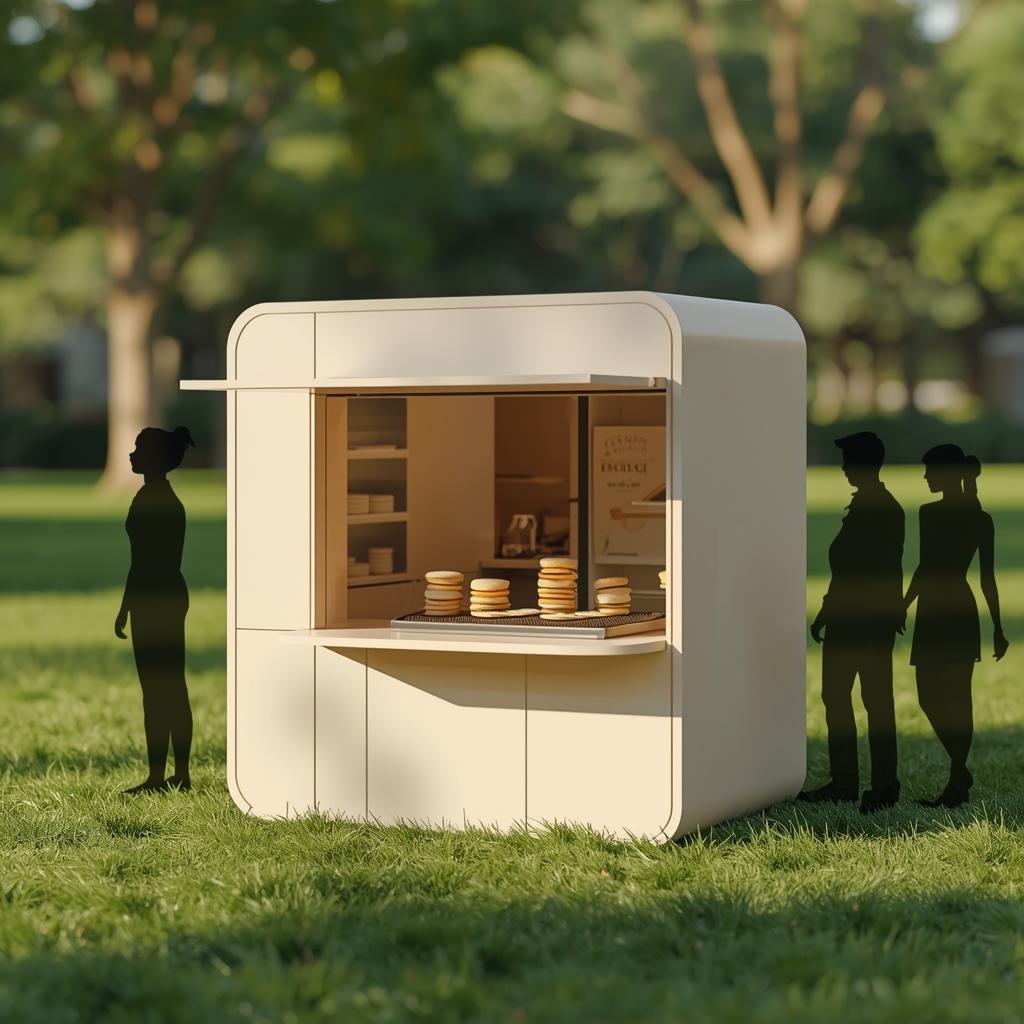
Golden Gardens Park in Ballard sees peak summer attendance from June through August, especially weekends and sunset hours. Farmers markets in Seattle typically run high season from May through October, with weekends favored. For these venues, prioritize a compact footprint that delivers quick turnover. Typical Miri’s setup uses a 10 by 10 foot tent, two poffertjes pans or a multi-hole electric griddle, one hot box for finished orders, and a refrigerated insert for ice cream.
Essential equipment and quick role assignments reduce downtime:
- Two staff on the line during peaks: one cook, one assembler and cashier.
- One floater to restock, run to the dispenser, and manage crowd queue.
- Portable generator or 30 amp shore power connection depending on park rules.
Queue control and speed of service rely on clear menu boards, combo pricing, and a visible staging area where completed orders are held in warming lamps. For private events, preordering reduces queue stress; set a minimum for delivery and allow timed pickup windows.
Safety, sourcing, and sustainability
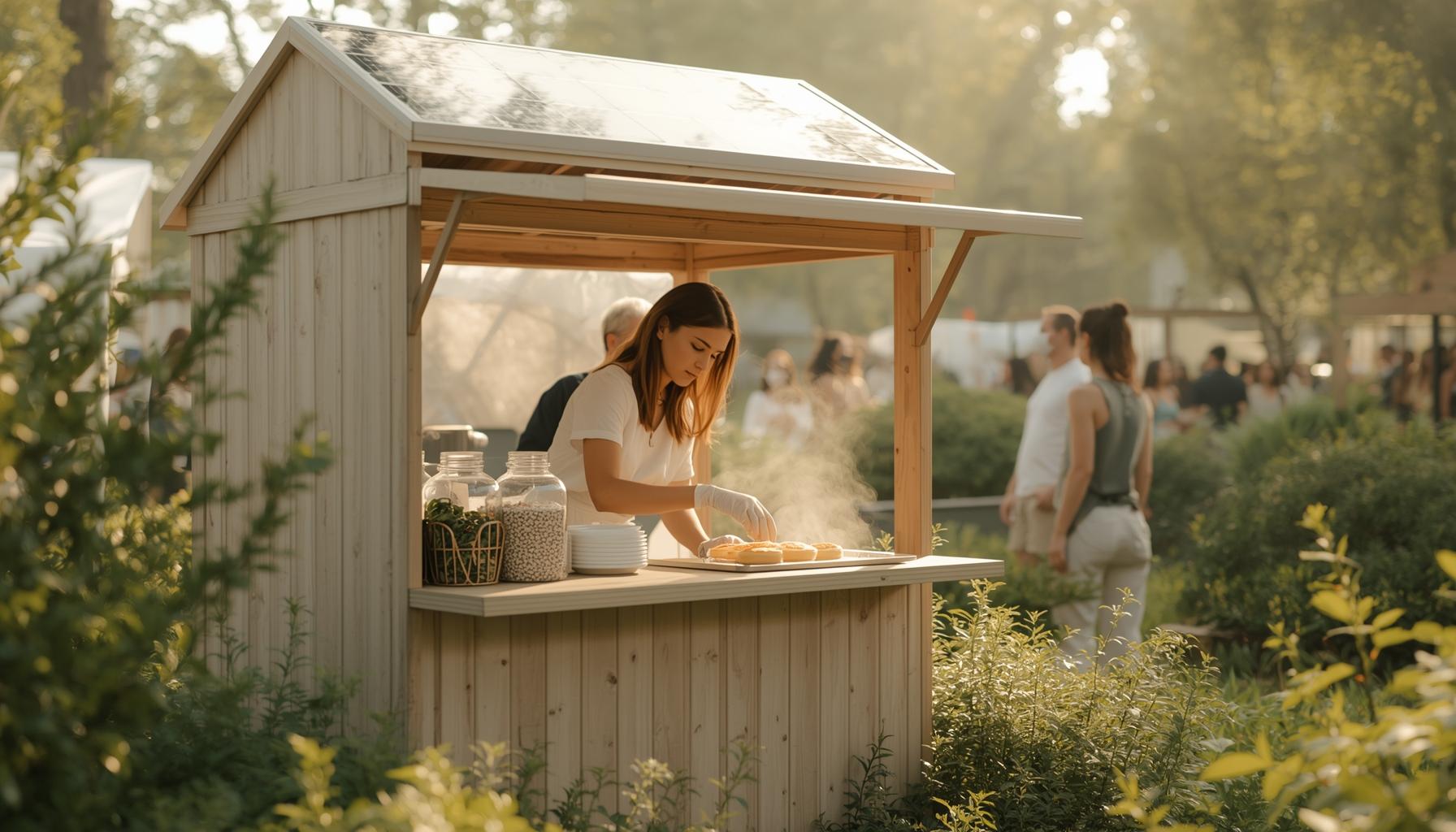
Temporary food vendor permits from Public Health — Seattle & King County are required for festivals and park events. Compliance requires a certified food manager on site and staff with current food worker cards. Food safety protocols include separate utensils for allergen items, daily surface sanitizing logs, and approved hot holders for products served warm.
Sourcing should favor local suppliers to reduce cost and strengthen local marketing. PCC Community Markets, Ballard produce wholesalers, and Seattle-area dairy or non dairy creamer suppliers are common partners. For packaging, Seattle’s composting program makes compostable service ware an operational advantage. Compostable cups and forks reduce landfill waste and align with city messaging; clearly labeled waste stations improve customer compliance.
Promotion, sales channels, and scaling
Marketing for Miri’s Seattle at Golden Gardens benefits from location tagging, evening sampling by staff, and partnerships with nearby vendors. Cross promotions with local coffee roasters or ice cream makers increase reach and authenticity. Sales channels should include walk up, online preorders for private events, and festival pre-sales. Contracts for catering require clear terms: deposit amounts, cancellation windows, final guest count deadlines, and payment terms that include a deposit of 25 to 50 percent.
Measure success with daily metrics: units sold per hour, average order value, compost diversion rate, and customer return rate through quick feedback prompts. Troubleshooting common challenges such as generator failure, sudden rain, or staff shortages requires contingency kits: extra battery packs, fast tents, and call lists for backup staff.
A condensed pre event checklist improves reliability: verify permits, test equipment, confirm order counts, pack ingredient portions, and stage staffing assignments. On the day, follow a strict timeline that includes arrival and setup, equipment heat checks, pre portioning, service launch, peak shift rotation, and teardown with waste sorting for compost.
Miri’s Seattle at Golden Gardens can scale by replicating this model across Seattle summer festivals and select farmers markets, maintaining quality while controlling costs and making poffertjes the signature reason customers return.